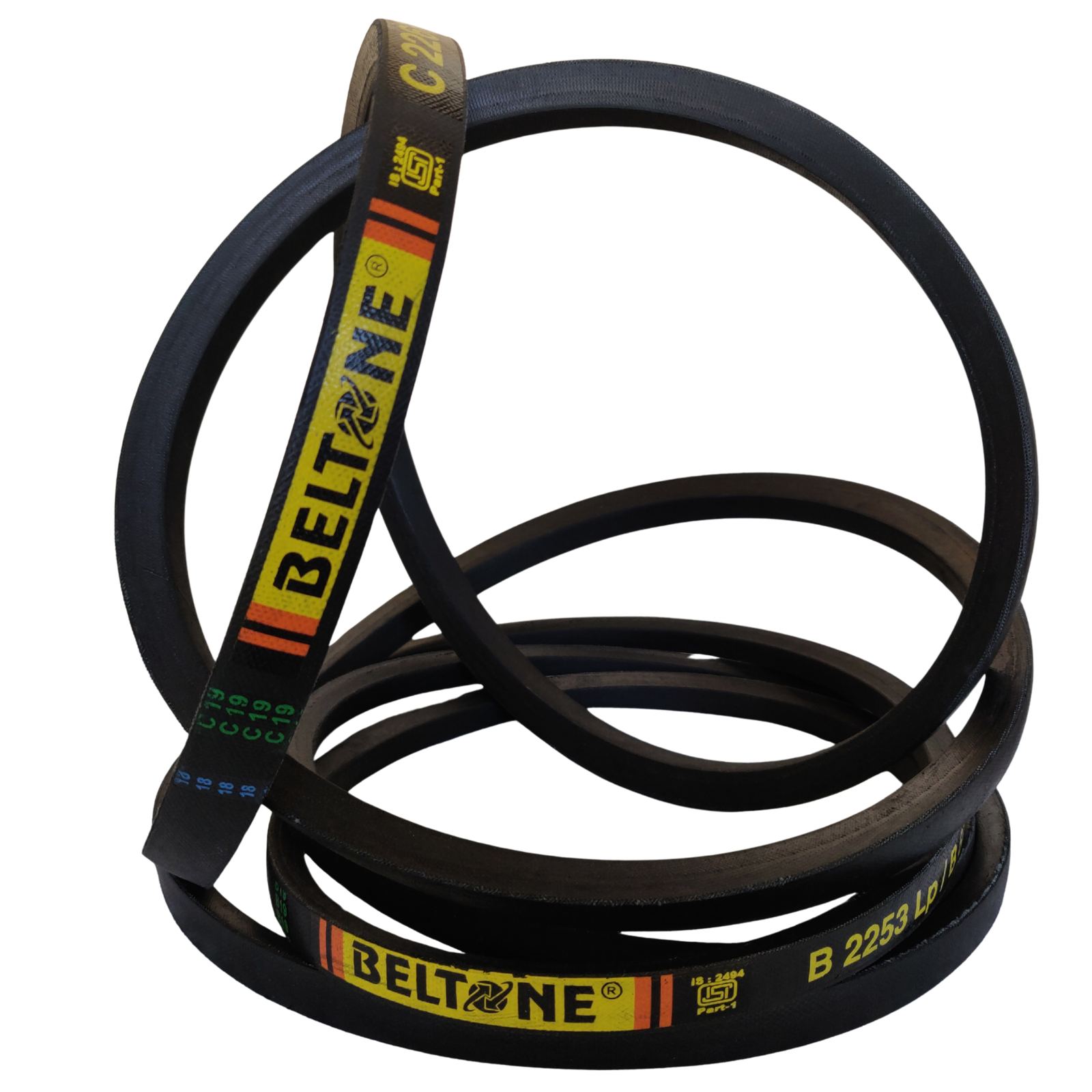
Engineering
WHAT'S INSIDE
Every Beltone V-belt is built from four precision-engineered layers. Each material is selected for its contribution to adhesion, load distribution, friction resistance, and environmental durability.
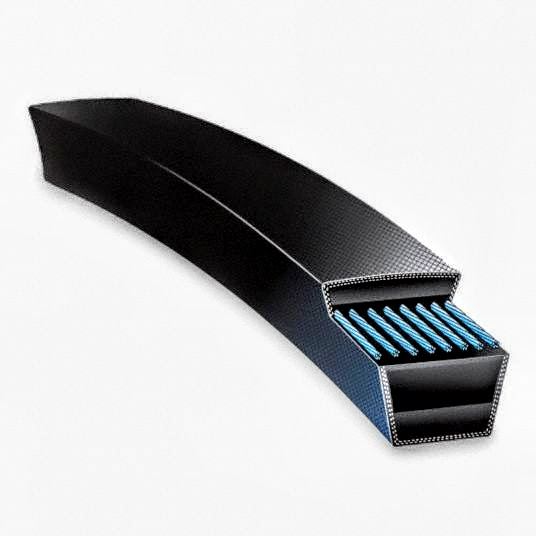
Cross-section · Layer Architecture
01
Rubber Top Layer
Outer protective rubber provides the primary working surface — maintains cross-section geometry under tension and resists abrasion across the full speed range up to 30 m/s.
02
High-Tenacity Polyester Cord
Load-bearing member. Treated with special rubber adhesive to promote strong bonding to the surrounding compound. Delivers low elongation under rated load — critical for maintaining correct drive tension over service life.
03
Blended Core Rubber Cushion
Natural and synthetic rubber compound encasing the cord layer. Provides flexibility through pulley arc, distributes load uniformly across cord width, and absorbs shock from variable-load drives.
04
Neoprene Friction-Resistant Jacket
Square-woven textile fabric (polyester-cotton blend) coated with polychloroprene synthetic rubber. Dual-wrap construction resists oil fumes, abrasion, heat, and weather. Electrically conductive — prevents static charge buildup in sensitive environments.